We desperately need ‘intelligent statesmanship’. In crucial areas, we don’t have enough time to wait and see.
What do you think of Western Civilization?
Mahatma Gandhi is supposed to have replied, ‘I think it would be a very good thing.’ True or not, two surveys of social trends in my own country, Britain, have led me to ask myself this question afresh.
The first survey indicates that one third of British couples hesitate to start a family because of fears for the world they are bringing their children into.
The second shows that children between five and 11 years old, in our primary schools, are already seriously concerned about the world outside home and school. Fifty years ago, if we had been as transparent about our feelings as seems the case today, we might have admitted to being plagued by fears of play-ground fights or sanctions for bad behaviour imposed by teachers or parents. Today’s children, apparently, express themselves by drawing an alarming number of pictures of street violence, terrorism and melting ice-caps.
Part of me feels gloomy that we have somehow robbed a generation of an innocent and care-free childhood. But another part of me takes heart. They are right to be concerned. One of our besetting sins in the West is a comfortable indifference to the world’s pain, so long as we are insulated from it. We may know a lot about it, but we do not feel it. So perhaps today’s kids will be less self-interested as citizens and as voters, enabling idealistic leaders to rise to the top and make policies which the world needs.
Time will tell. For those of us who suspect that the fundamental problem is the endless quest for personal satisfaction in the wrong places, it is tempting to keep our little flames of belief alive, and wait for a new generation to make its influence felt. Surely they will realise that happiness through consumerism is a dead end? They will be the ones to strip away the layers of cynicism which make faith in the divine and a great purpose for life so inaccessible to many.
I truly hope they will. But in some crucial areas, we don’t have enough time to wait and see.
By the time today’s five-year-olds reach voting age, their elders will either have reversed the rise in carbon emissions, or they will not. The new global scientific consensus is that this must be done in about ten years if large parts of the planet are to remain habitable. After that, the die will be cast, even if the effects are not all felt at once. This is a ball that we – today’s adults – cannot afford to drop. Anyone who feels their region might be spared the worst effects could let their imagination range over the consequences if governments acted in the knowledge that water, food and energy had started to run out, and one third of the human race knew that it had to emigrate or die.
We desperately need ‘intelligent statesmanship’.
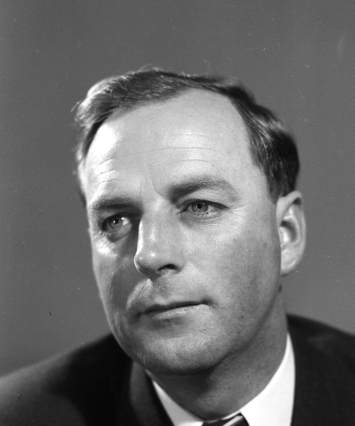
This is not my phrase. It comes from one of the best practitioners of it that I have been privileged to meet, Australian political leader Kim Beazley, who has just died. Don Woolford in the Australian Sunday Times quotes Beazley, ‘The thoughts of God, given primacy in the life of a man, bring to the innermost motives the virtue of mercy, and with it the cure for hatred that can turn the tide of history. This is the essence of intelligent statesmanship.’
By describing its essence thus, Beazley was opening the possibility that statesmanship of this sort could be exercized by anyone, not only those with great power and influence. He offers reassurance; perhaps, to those who feel powerless, but also a challenge to those of us who wonder what can be done.
‘What, in practice, can people like me do?’ I asked an old friend, with an encyclopaedic knowledge of who is doing what about climate change. His reply, given after some pause for thought, was unexpectedly simple and seems to me to carry echoes of Beazley’s reliance on ‘thoughts of God’. ‘If you really take the issues to heart’, he said, ‘I believe doors will open that lead you to effective action.’
NOTE: Individuals of many cultures, nationalities, religions, and beliefs are actively involved with Initiatives of Change. These commentaries represent the views of the writer and not necessarily those of Initiatives of Change as a whole.

English