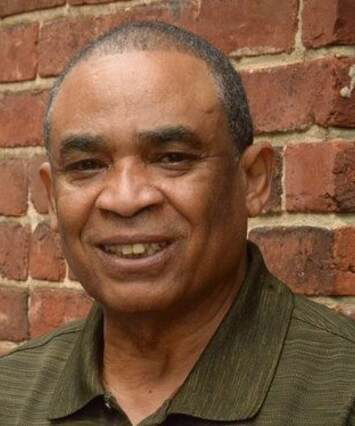
A further significant step in seeking to heal the legacy of the Atlantic Slave Trade, in which Liverpool played a major part, took place at the end of October. A further significant step in seeking to heal the legacy of the Atlantic Slave Trade, in which Liverpool played a major part, took place at the end of October. On the dock side in Liverpool, where many of the slave ships were built and launched, people gathered representing the three corners of the Slavery Triangle. They included an official delegation from the Republic of Benin in West Africa, led by the Minister of Housing, Urbanism and Environment, Luc Gnacadja, the Rev. Tee Turner of Hope in the Cities in the U.S., representing the City of Richmond, Virginia, the Lord Mayor of Liverpool, Councillor Frank Roderick, the Leader of the City Council, Councillor Mike Storey, and citizens of Liverpool, black and white.
In his speech Councillor Storey said, that the city’s apology for its major role in the Slave Trade, as its final act of the millennium, had been ‘linked to a commitment to policies that would end racism and exclusion in the city and society as a whole, It was a step on the road to reconciliation and justice’. He quoted Nicholas Frayling, the former Rector of Liverpool, who had said following the apology, “The only way to bring lasting reconciliation is to face the pain of history with courage, and then to change.” Councillor Storey went on, “We have begun that process of change, and this reconciliation triangle initiative is one more step on that journey.”
The Lord Mayor officially handed over to Benin and to Richmond the large Reconciliation Sculptures created by Stephen Broadbent, the Liverpool sculptor, which will be erected in all three corners of what is referred to as ‘The Reconciliation Triangle’. On the side of the sculpture are powerful and creative reliefs representing the history and a vision for the future, designed by a local black artist together with young people from Liverpool schools. It includes the words ‘Acknowledge and forgive the past. Embrace the Present. Shape a Future of Reconciliation and Justice.’ The next day the representatives of the three cities met at Liverpool Hope University, hosted by the Rector, Professor Gerald Pillay, to explore the possibility of a sustained programme of exchange and educational initiatives between Liverpool, Benin and Richmond, engaging young people, especially focussed on historical understanding, conflict resolution and reconciliation. Gerald Henderson

English